
Hair Whorl
Hair Transplant Fundamentals
A whorl is the point hair spirals out from. It forms before birth, when follicles set their angle in the…
Read Full Entry | →
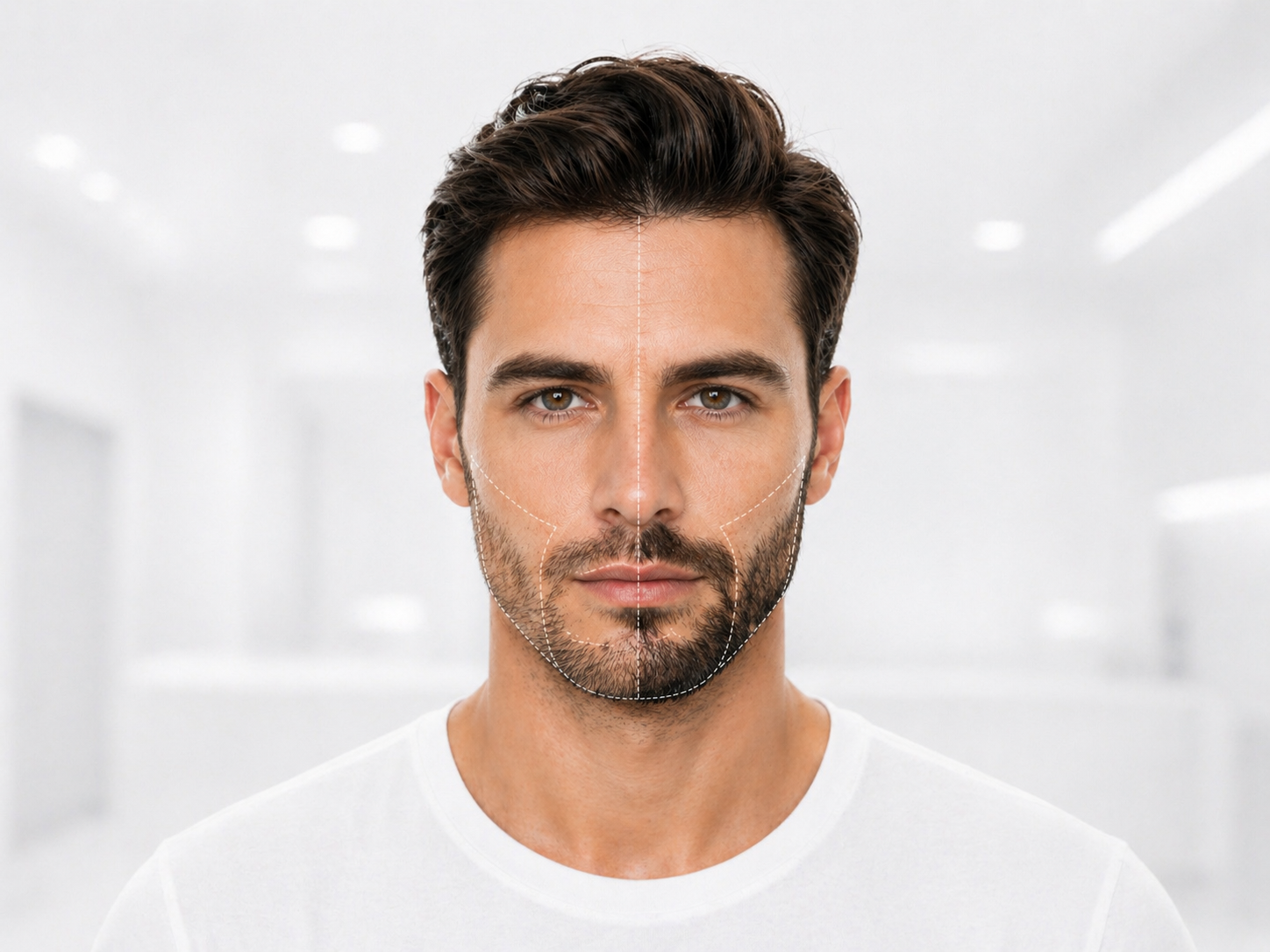
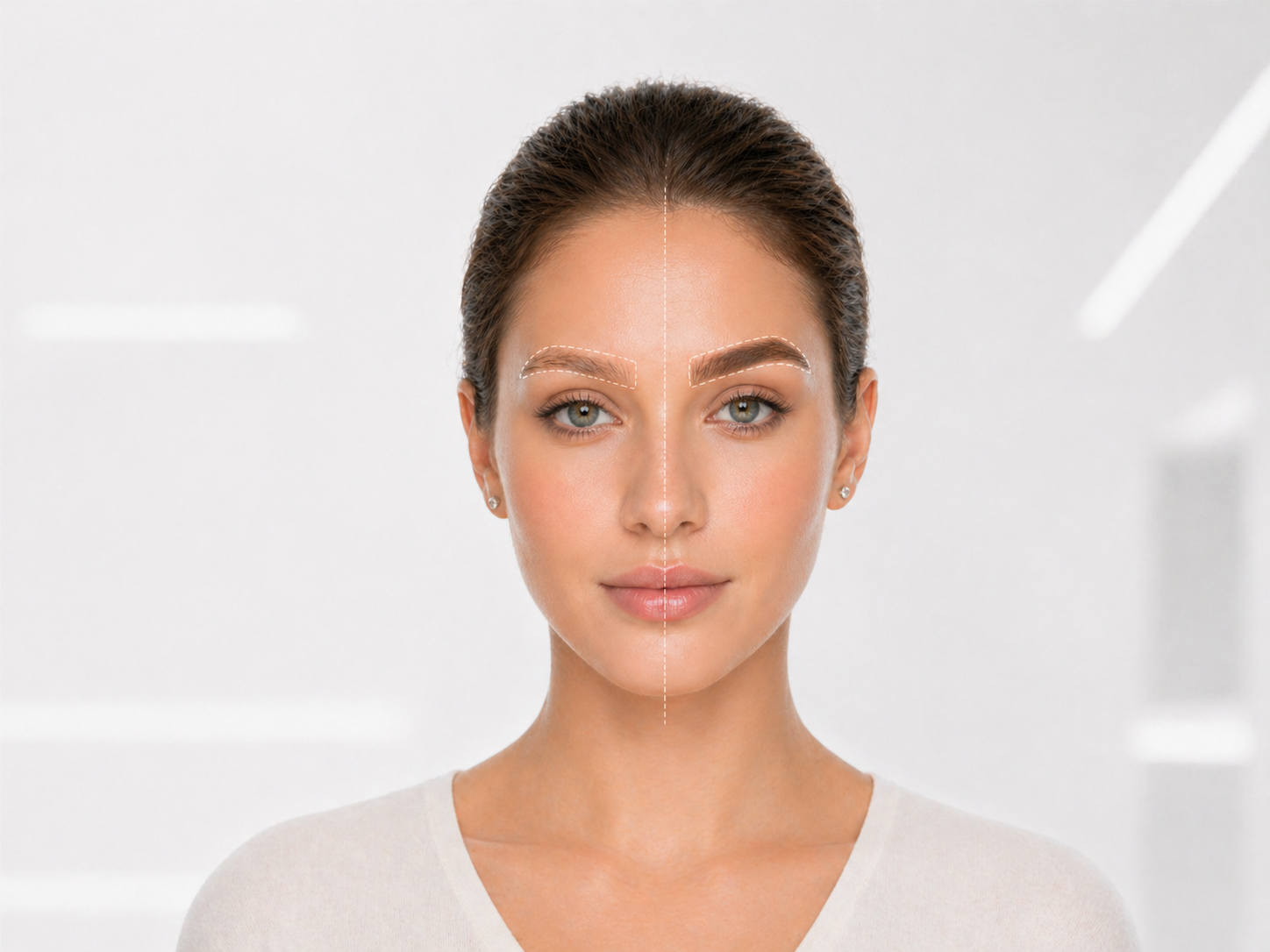
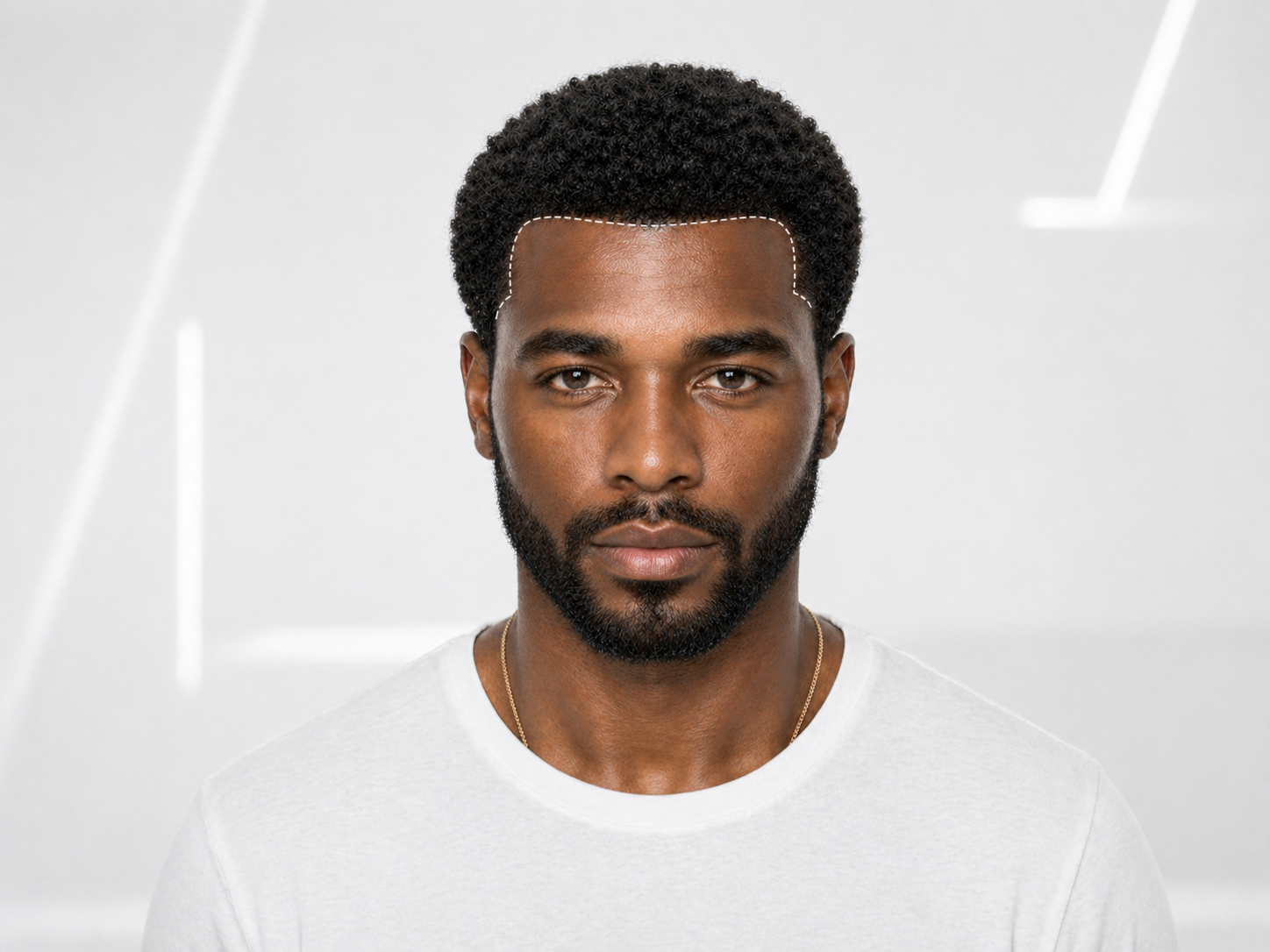

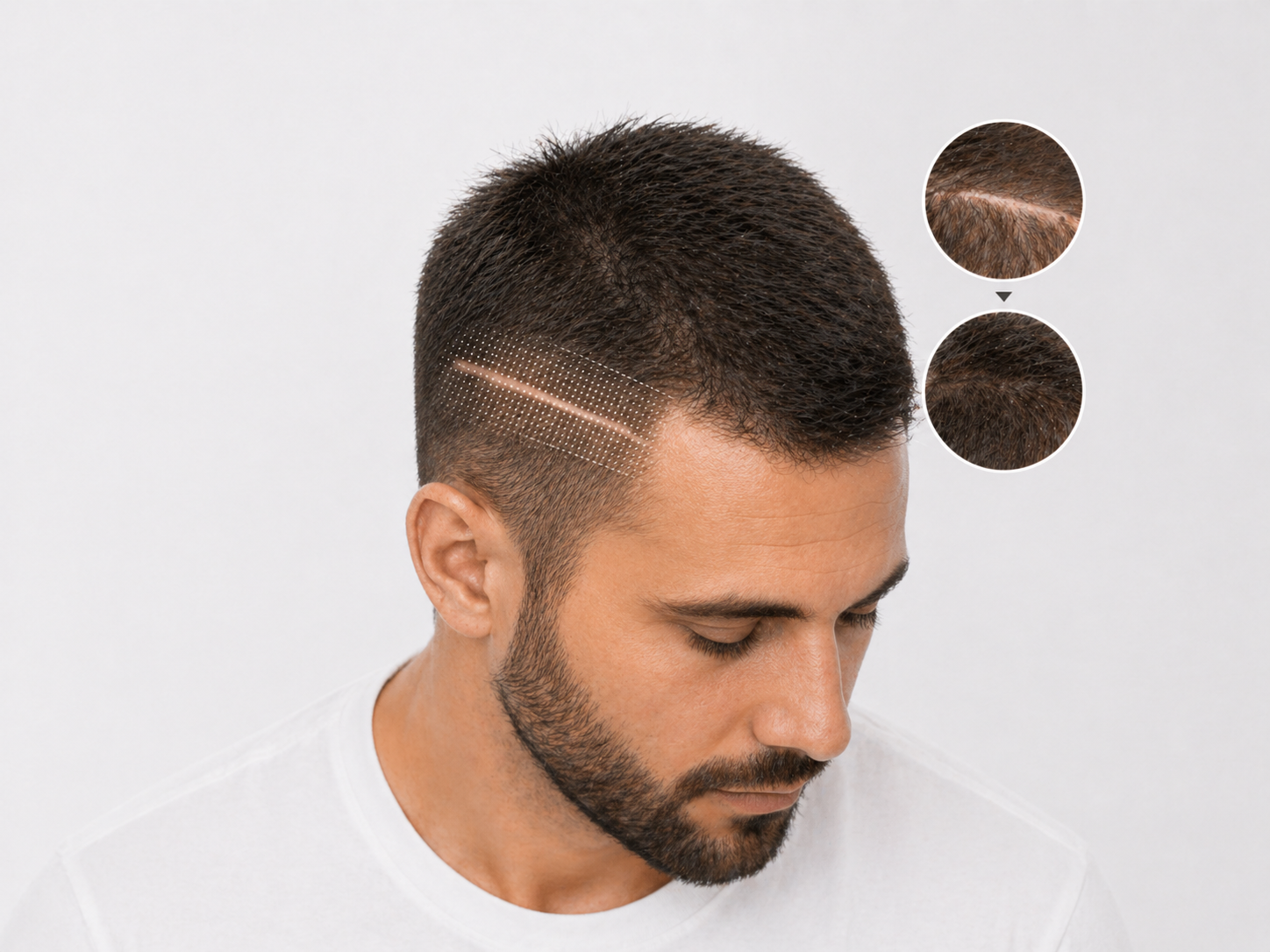


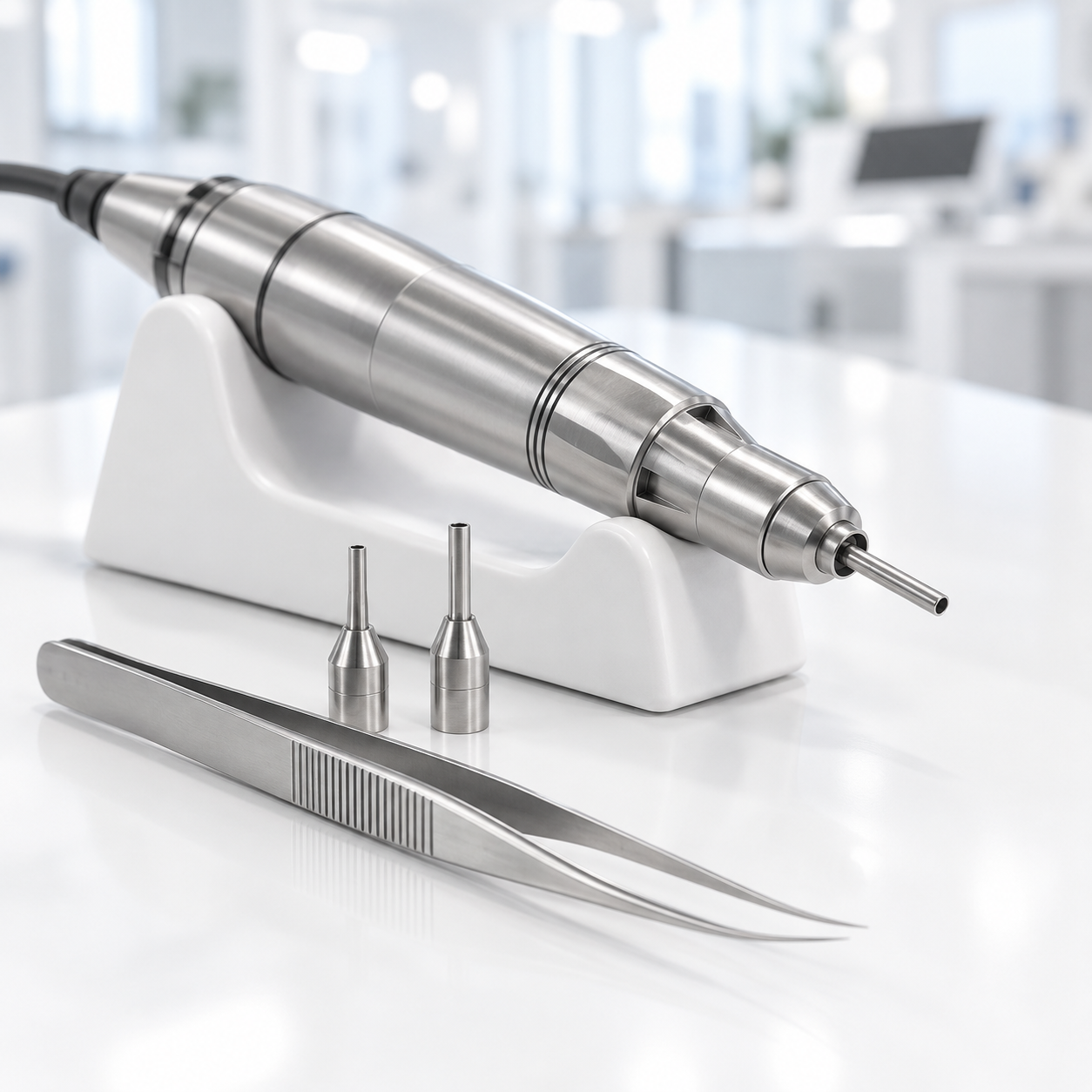
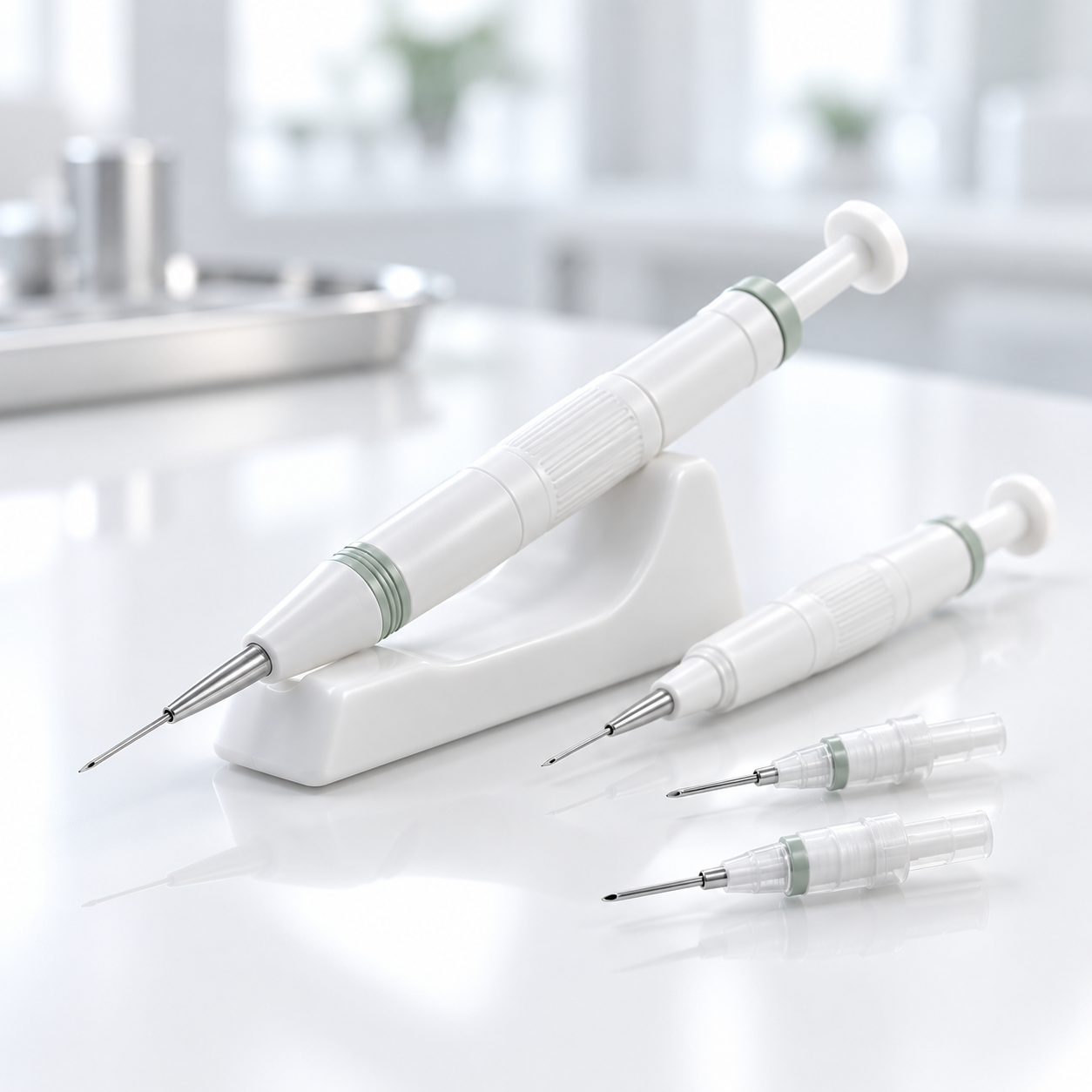

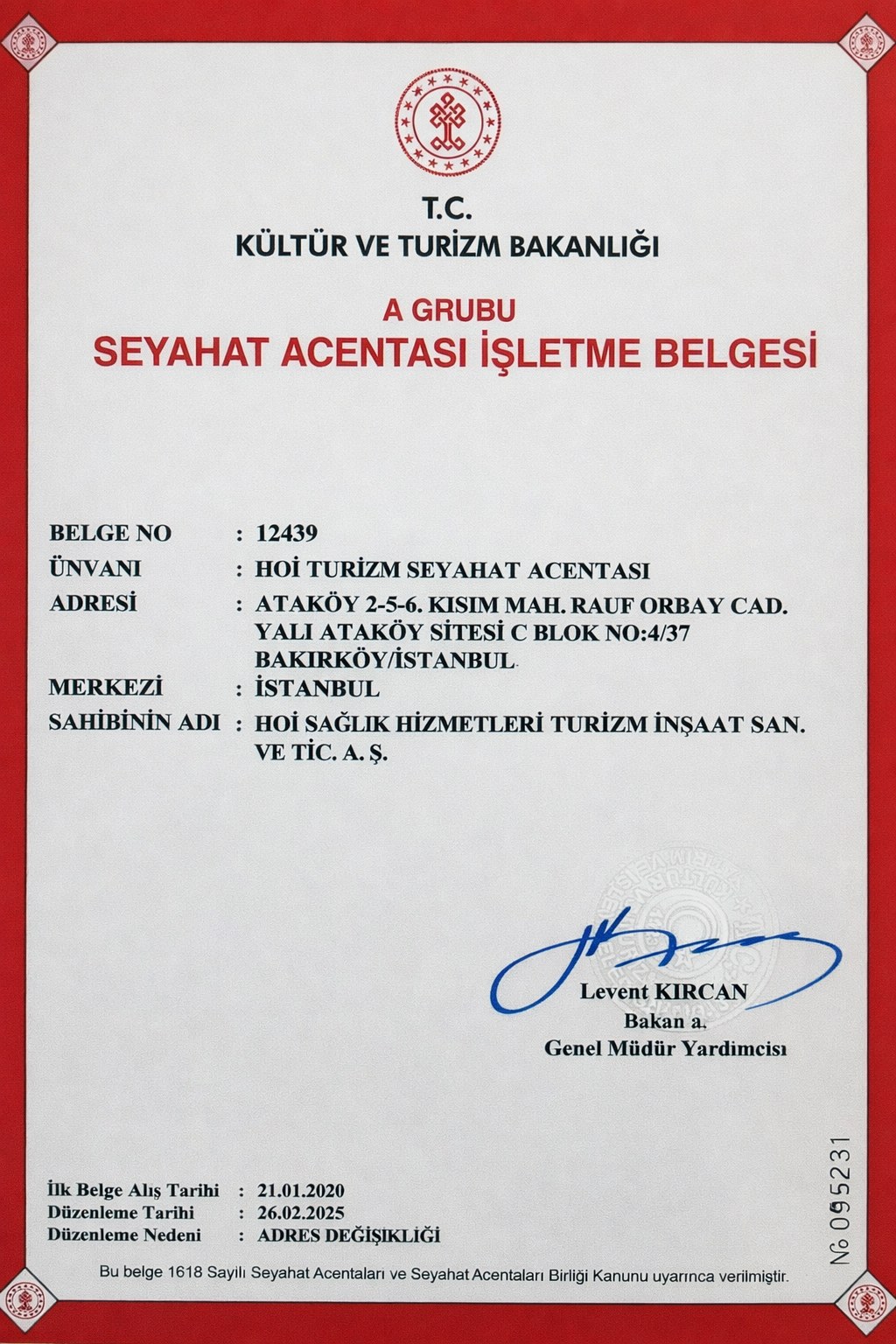
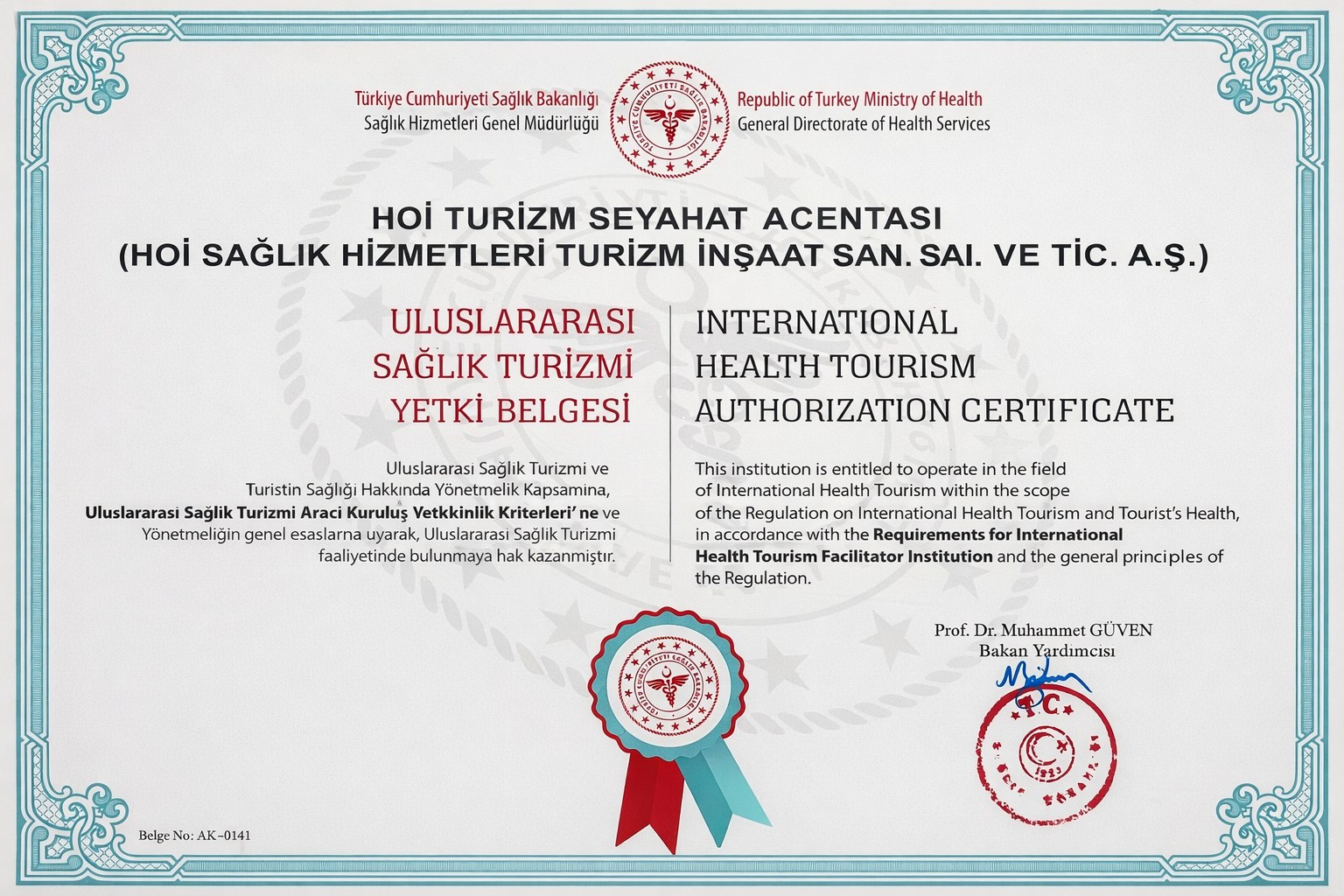
Hair of Istanbul is a hair restoration centre that has provided hair transplant treatment in Istanbul since 2013, with a practice focused on international patients. Every case is planned individually: the pattern of hair loss, donor capacity, hair shaft characteristics, age and facial proportions are assessed together.
The aim is not simply to cover a bald area; it is to create a natural hairline, balanced density and a long-term result in proportion with the face.
The hair transplant procedure is completed in a single day; in Istanbul, the consultation, the procedure and the initial aftercare are usually arranged within a three-day programme.
Non-surgical treatments such as PRP and Regenera Activa may be considered as supporting treatment in selected cases, based on hair and scalp assessment.
See More | →
A hair transplant in Istanbul permanently restores hair by relocating DHT-resistant follicles…
Learn More – Hair Transplant
Hair loss in women can develop due to genetic, hormonal and environmental…
Learn More – Hair Transplant for Women
A revision hair transplant is a corrective surgical procedure for patients dissatisfied…
Learn More – Revision Hair Transplant
A beard transplant permanently restores or creates facial hair by relocating healthy,…
Learn More – Beard Transplant
Eyebrow transplant permanently restores thinning, sparse, or absent brows by relocating individual…
Learn More – Eyebrow Transplant
Afro hair transplant follows the same principle as any hair restoration procedure…
Learn More – Afro Hair Transplant
Forehead reduction, defined in the medical literature as frontal hairline advancement, permanently…
Learn More – Forehead Reduction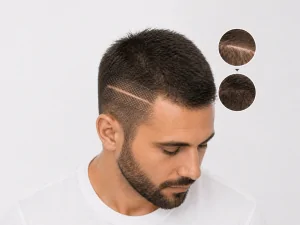
Scar revision hair transplant restores hair in areas where follicles have been…
Learn More – Scar Revision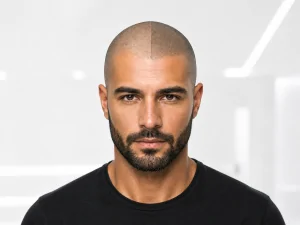
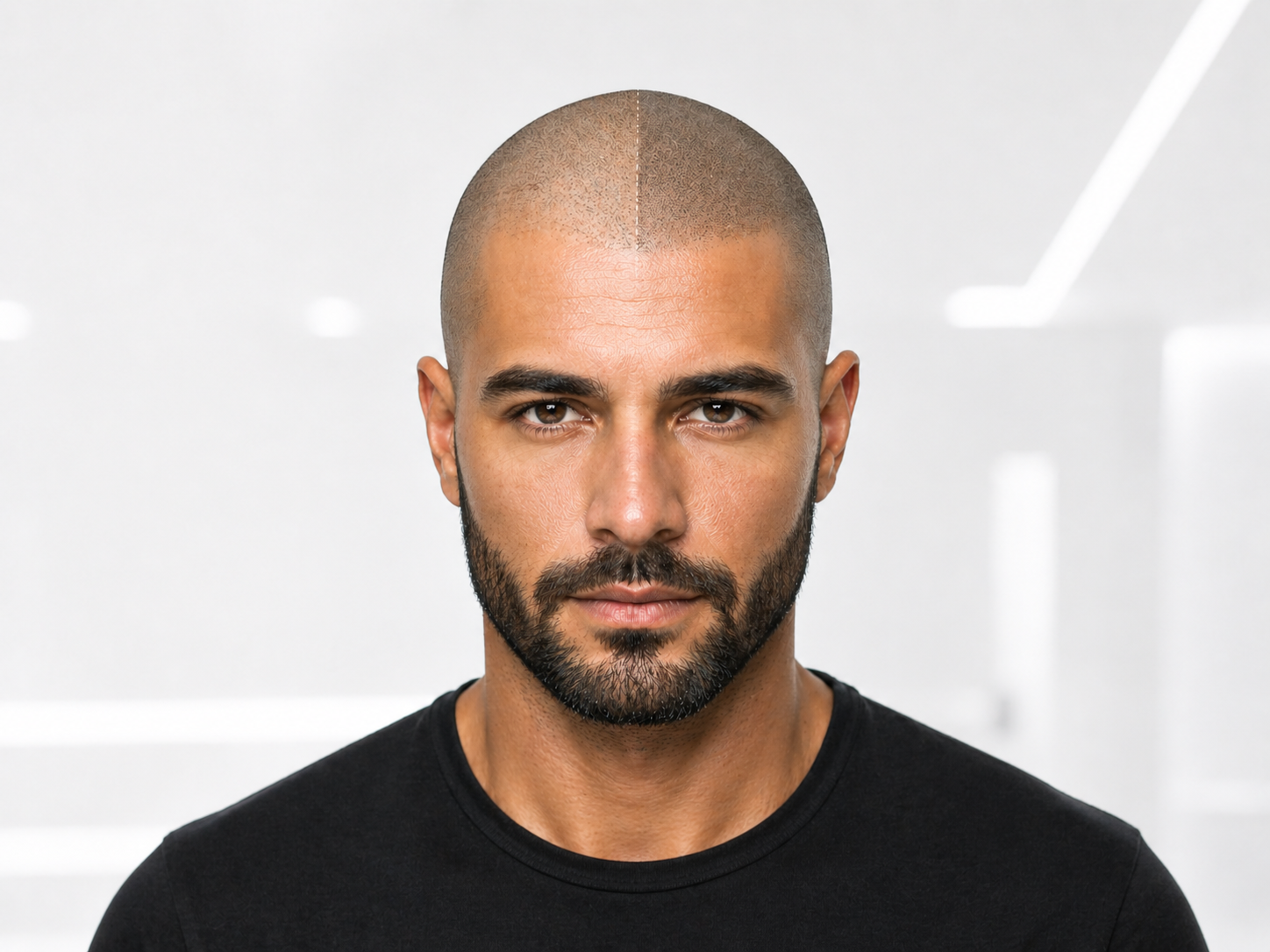
Scalp Micropigmentation (SMP) is a non-surgical cosmetic procedure that creates the visual…
Learn More – Scalp Micropigmentation (SMP)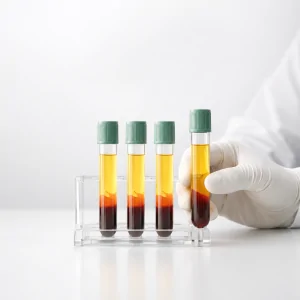
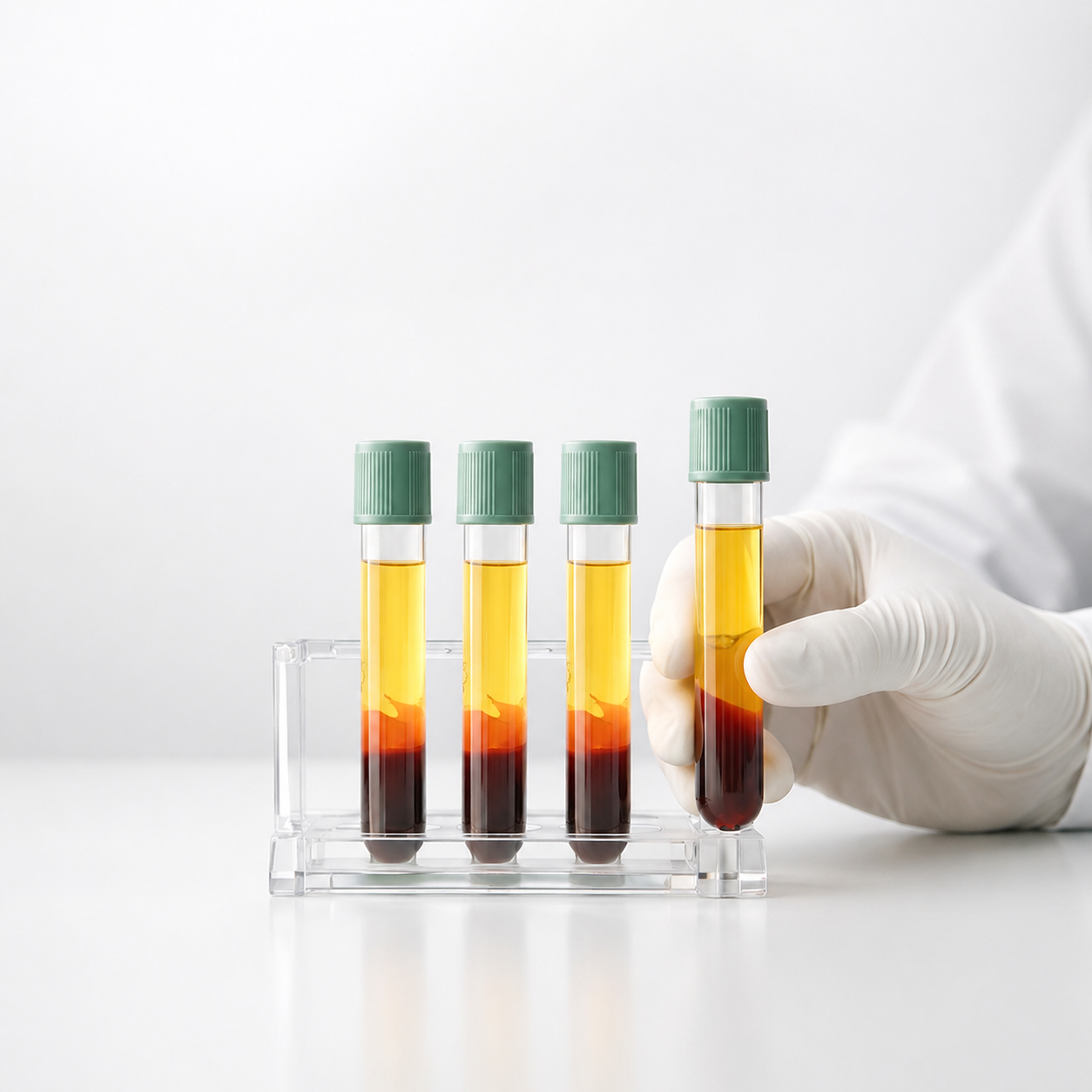
PRP (Platelet Rich Plasma) is a minimally invasive hair loss treatment that…
Learn More – PRP Hair Treatment
Regenera Activa is a non-surgical, drug-free treatment for androgenetic alopecia that uses…
Learn More – Regenera Activa
Exosome therapy is a non-surgical regenerative treatment for hair loss that delivers…
Learn More – Exosome Therapy
Red light therapy — clinically known as low-level laser therapy (LLLT) or…
Learn More – Red Light Therapy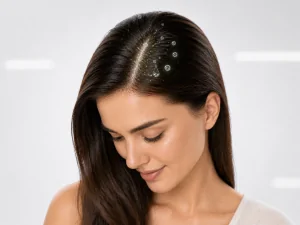
Mesotherapy is a non-surgical hair loss treatment that delivers a customised blend…
Learn More – MesotherapyFor patients travelling to Istanbul, the process is organised within a single plan, from the first consultation through to the post-operative review. Medical assessment, surgery, accommodation and transfers are coordinated around the patient’s schedule.
Share photos of your donor and recipient areas for an initial assessment
Receive your travel and appointment details
Fly to Istanbul on your planned date
A private vehicle meets you at the airport
Settle into your hotel accommodation
Final planning with the medical team
Reviews at set intervals as healing progresses
Initial aftercare, then your transfer to the airport
The hair transplant is completed in a single day
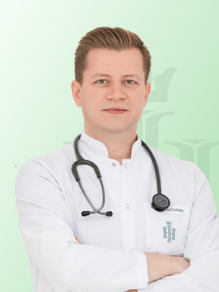
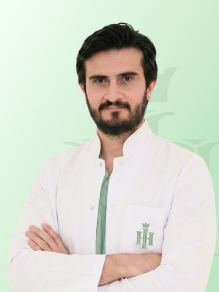
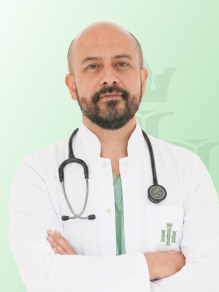
At Hair of Istanbul, hair restoration is carried out by a team of specialist doctors. Each procedure is planned under the supervision of a plastic surgeon, monitored with an anaesthesiologist present, and performed by a medical aesthetics physician; patient safety is supported by cardiology specialists.

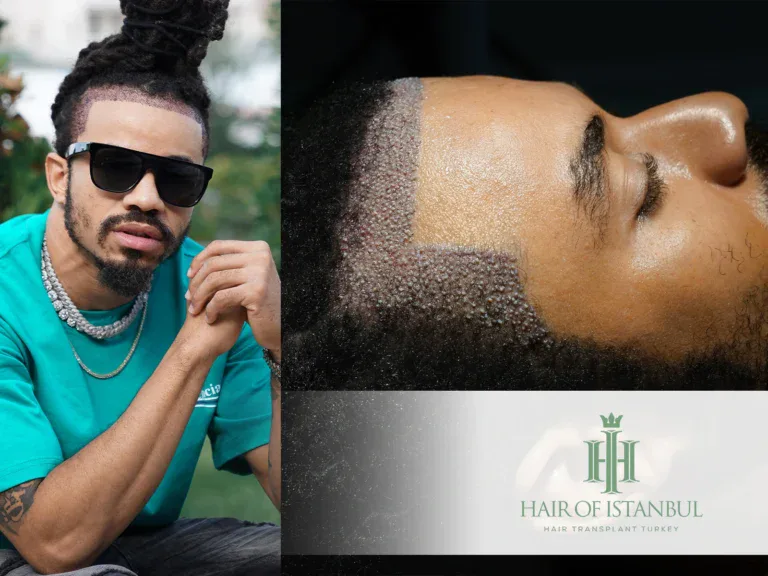
Real patient results from Hair of Istanbul. Every case is planned individually; the hairline design, graft count and technique are confirmed by the medical team before the procedure. Results vary from person to person.
The Hair of Istanbul hair transplant centre is located in Istanbul. Consultation, individual planning, the hair transplant procedure and the first post-operative reviews are carried out at this centre by the same medical team.The centre is equipped with the current technology required for hair transplant procedures. Hair and scalp analysis, planning, the procedure and the aftercare areas are placed within a single building; patients are not directed to different addresses during the process.Because every stage is carried out by the same medical team, the decisions taken during planning carry through in full to the day of the procedure and beyond.
All-Inclusive Package
 Airport and clinic transfers
 Hotel accommodation in Istanbul
 Native-language support
 Aftercare kit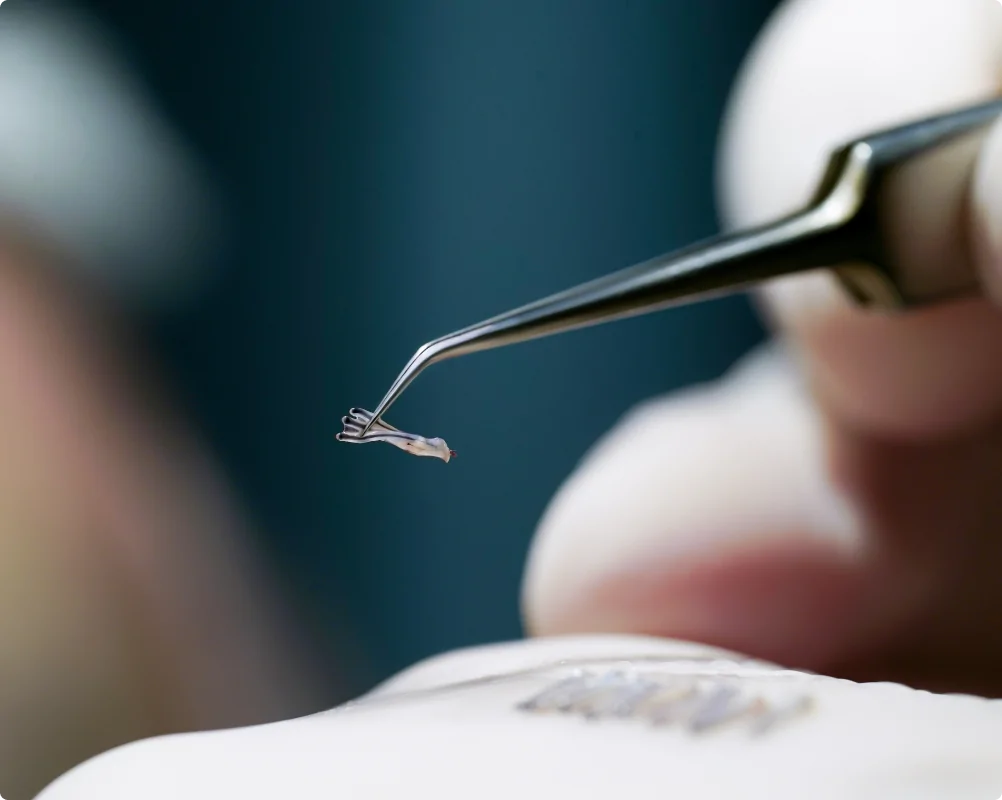
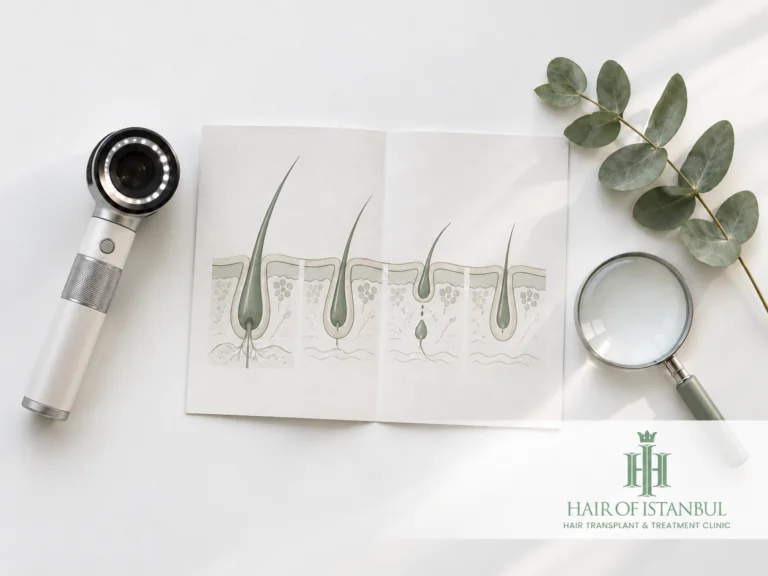
How to stop hair loss depends on why it is happening. Hereditary hair loss (male…
A hair graft calculator does one piece of arithmetic: it multiplies the area you want…
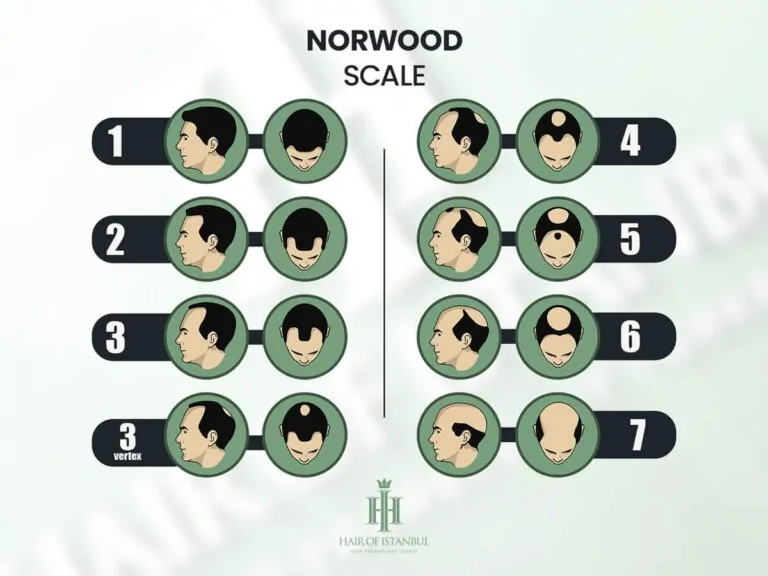
The Norwood scale — properly the Hamilton–Norwood scale — is the seven-stage classification doctors use…
Medically reviewed by Dr. Mahmut Satekin, Medical Aesthetics Physician. Clascoterone 5% solution — the product…

Can you change your hair texture? Not permanently, and not with a hair transplant. Texture…

Medically reviewed by Dr. Mahmut Satekin, Medical Aesthetics Physician. You need the neck pillow for…
A hair transplant without shaving is the single most requested variation in hair restoration, and…
Frontal fibrosing alopecia is a scarring hair loss that pulls the hairline backwards in a…
Wanting to style your hair again is one of the first signs that recovery is…
Search for hair loss depression and you will find a great many pages telling you…


Planning a hair transplant is not only a matter of deciding how many grafts will be placed. The position of the hairline, the capacity of the donor area, hair shaft calibre, the distribution of hair loss and the likely future course of the existing hair are assessed together.
The number of grafts required depends as much on donor capacity as on the size of the bald area. In the frontal region the aim is to create a natural transition, while in the mid-scalp and crown the aim is to distribute the available donor capacity correctly and achieve balanced density. Two patients with the same degree of balding may therefore need different plans and a different graft distribution.
Sets the priority across the frontal, mid-scalp and crown regions.
Limits the graft reserve that can be used safely.
Affects the visible density achievable with the same number of grafts.
Affects how density is perceived and how transitions are designed.
Affects the position of the hairline and its long-term harmony.
Prevents grafts being spent on today’s appearance alone.
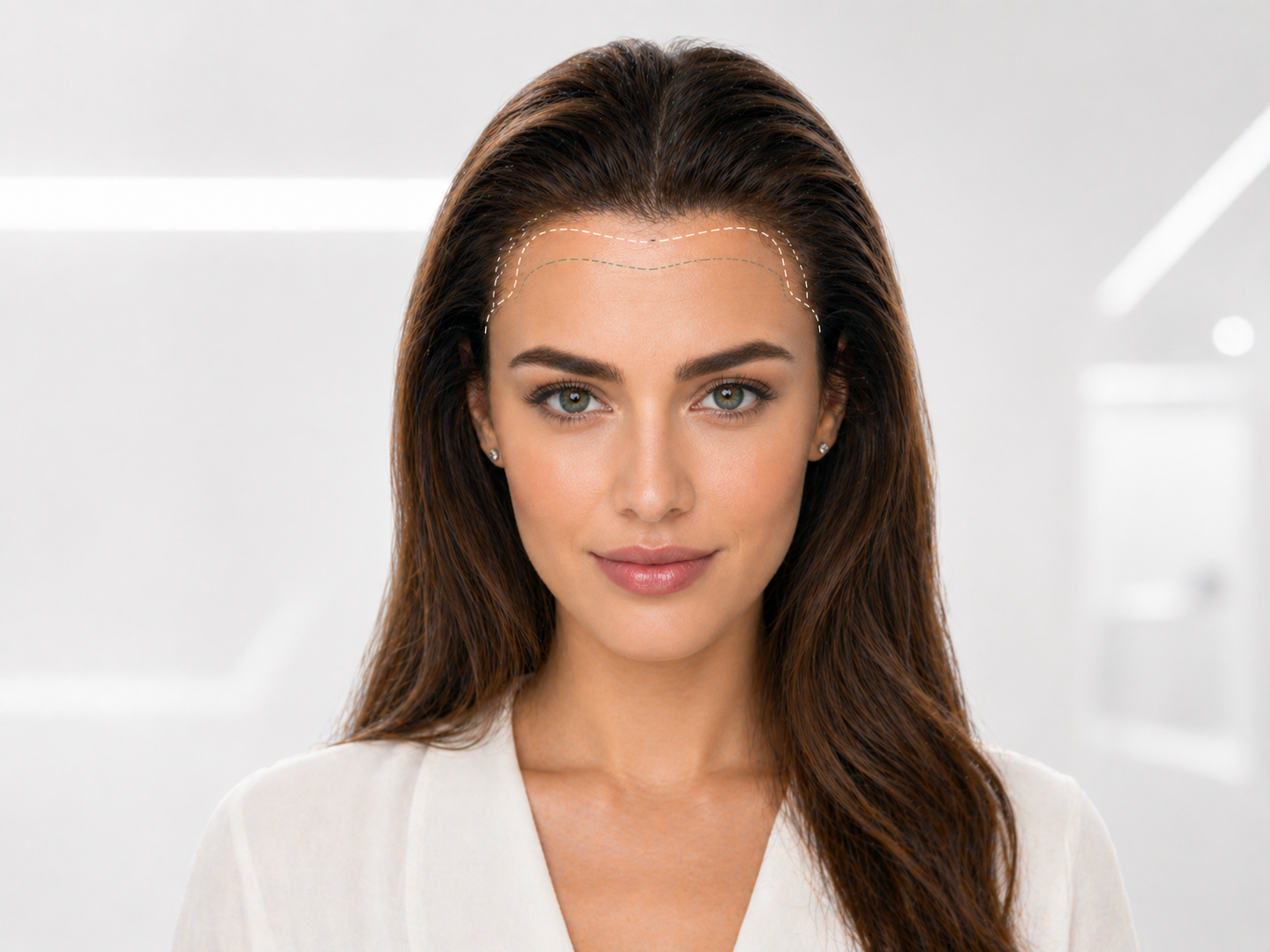
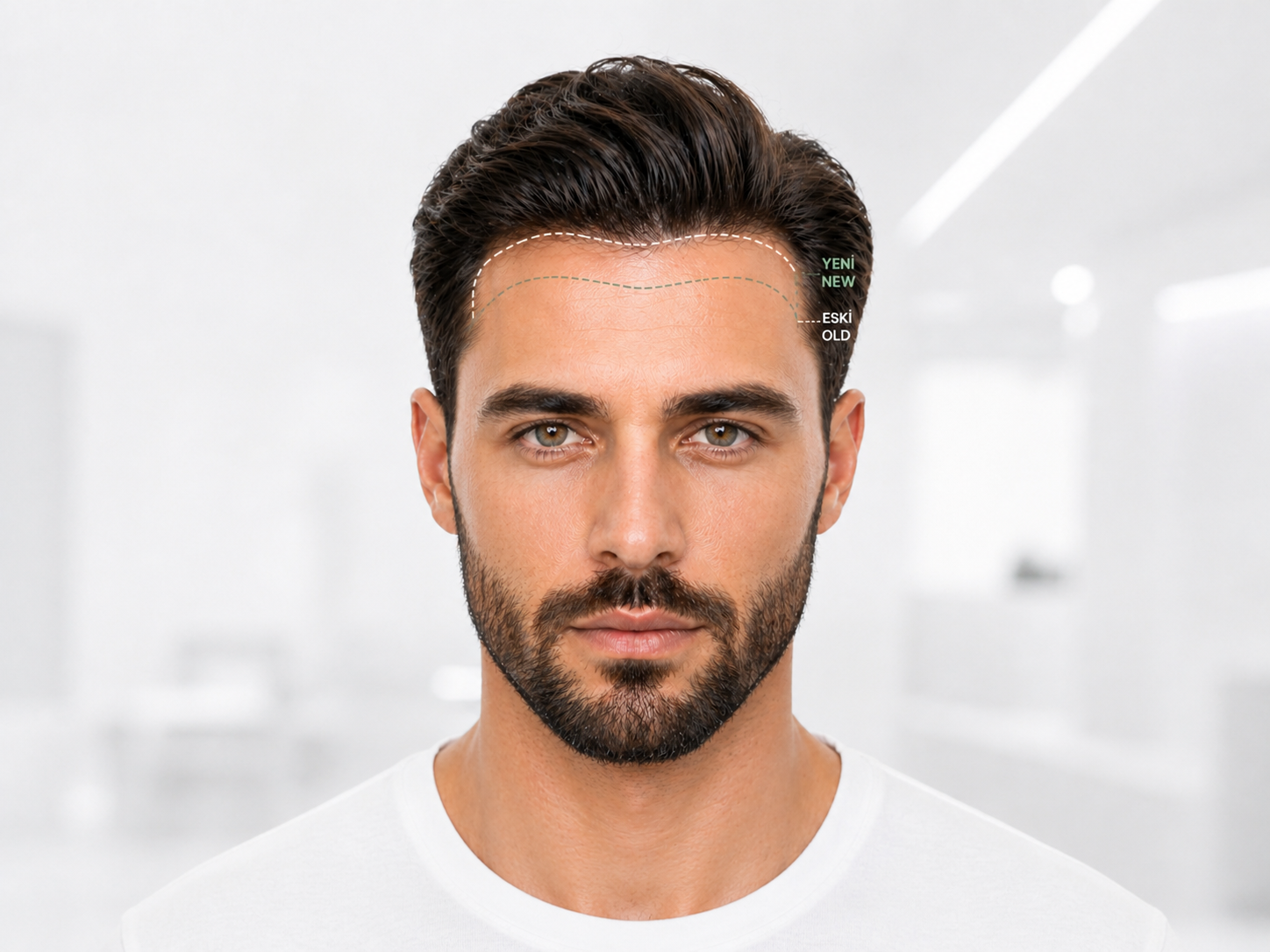
When a natural hairline is planned, age, facial proportions, existing hair structure and future hair loss are assessed together. Hairline design is one of the main planning stages that determine a natural appearance; direction, the softness of the transitions and the distribution of density are also decided at this stage, and the plan is confirmed with the patient before the procedure.
The aim is for the transplanted hair to look like a natural continuation of the patient’s existing hair. The transition at the frontal line and the density further back are therefore not planned in the same way; different regions carry different visual roles.
The grafts used in a hair transplant come from the donor region, and that capacity is limited. A sound plan therefore takes into account not only the area to be transplanted, but also how the donor region will look after the procedure and what graft reserve may be needed later.
At Hair of Istanbul, graft harvesting is planned so that density is not reduced excessively at any point and the overall appearance of the donor area remains balanced.
Technique names should not be presented as separate quality packages. FUE describes the graft harvesting stage, while DHI, Sapphire and Slit describe the approach to placing the grafts.
| Term | Which stage? | Short explanation |
|---|---|---|
| FUE | Graft harvesting | An extraction method in which follicular units are removed from the donor region one by one. |
| DHI | Implantation | An implantation approach in which grafts are placed into the recipient area with an implanter pen. |
| Sapphire | Channel creation | An approach in which the recipient channels for the grafts are created with sapphire-tipped blades. |
| Slit | Channel creation | An approach in which recipient channels are created with the slit method and the grafts are then placed into those channels. |
Which method is used is determined by hair structure, the condition of the existing hair, the area to be transplanted and the density aimed for. The choice of technique is not a separate quality level but part of an individual treatment plan.
A hair transplant may be considered for people with male/female pattern hair loss, a receding hairline, permanent hair loss in specific areas or a naturally high forehead.
Suitability is not determined by the size of the bald area alone. Donor density, hair shaft characteristics, whether hair loss is still progressing, age, the distribution of the existing hair and general health are assessed together.
Because no two cases follow the same plan, the initial assessment is the first step of an individual hair transplant plan.
The result of a hair transplant does not depend on graft numbers alone. Donor quality, hair shaft calibre, the colour contrast between hair and skin, the design of the hairline, the direction and angle of the grafts, the size of the area transplanted and the patient’s existing hair structure all affect the outcome.
Two patients treated with the same number of grafts may therefore see different visible density and a different result. Assessment focuses on understanding the case as a whole before graft numbers.
Limited recession at the frontal hairline and advanced hair loss covering the frontal, mid-scalp and crown regions are not planned in the same way. As the degree of hair loss increases, deciding which regions receive grafts first and how the donor reserve is protected becomes more important.
In extensive balding the aim is not to fill every region to the same density; it is to give correct priority, according to the case plan, to the regions that frame the face and carry the greatest visual weight.
At Hair of Istanbul, hair transplant packages fall within the ranges below under the current pricing model. The final plan and fee are confirmed once the case has been assessed.
All prices include the procedure, three hotel nights and VIP transfers. Above 4,500 grafts the plan is set after a free assessment.
For package contents, additional services and current prices, see Hair Transplant Prices.
Non-surgical treatments such as PRP and Regenera Activa may be considered as supporting treatment in selected cases, based on hair and scalp assessment.
| Topic | What it covers |
|---|---|
| What is the FUE technique? | How follicular units are removed from the donor region one by one. |
| What is the DHI technique? | The implantation approach in which grafts are placed with an implanter pen. |
| Recovery after a hair transplant | The healing process from the first days to the final result. |
| Revision hair transplant | Corrective planning after a previous procedure. |
| Afro hair transplant | Graft harvesting and placement in curly hair. |
| Hair transplant for women | The planning approach in female pattern hair loss. |
| Beard transplant | Direction and angle planning in facial hair restoration. |
| Scalp micropigmentation | A non-surgical option that creates the appearance of density with pigment. |
You can receive an initial assessment by sharing photographs of the donor and recipient areas.
The result of a hair transplant is not complete on the day of the procedure. Because healing and hair growth progress over months, patients are followed up at set intervals after surgery.
The aftercare plan and the reviews continue in line with the healing process. Patients are monitored by the medical team through the growth phases.
The Hair of Istanbul Dubai office serves patients in the United Arab Emirates and neighbouring countries as a point for face-to-face consultation, initial assessment and post-operative follow-up.
Hair transplant procedures are carried out at the centre in Istanbul. Meetings at the Dubai office are for clarifying goals, hair and scalp assessment, deciding on suitability and planning the treatment process in Istanbul.
For patients living in the region, the process does not end in Istanbul. Post-operative reviews, the first washes, monitoring of healing and hair care applications can be continued at the Dubai office, so there is no need to travel again for every review.
The follow-up programme is planned according to the patient’s healing process and is managed on the same record as the medical team in Istanbul.
Medically reviewed by Dr Mahmut Satekin, Medical Aesthetics Physician, Hair of Istanbul. Last reviewed: 14 August 2026.
This page provides general information about the procedures carried out at Hair of Istanbul. It is not a substitute for medical advice; suitability, technique and the expected result are determined after an individual assessment.
Every case is assessed by the medical team. The hairline and the graft distribution are planned individually, taking facial proportions, the pattern of hair loss, donor capacity and the condition of the existing hair into account.
The hair transplant procedure is completed in a single day. For patients travelling from outside Istanbul, consultation, the procedure and initial aftercare are usually arranged within a three-day programme.
Suitability is determined by assessing the cause and distribution of hair loss, donor density, age, hair characteristics, general health and expectations together.
Because the grafts are taken from the donor region, which is less affected by male/female pattern hair loss, the result can be long-lasting. Existing hair that has not been transplanted may, however, continue to thin over time.
No. The Dubai office is used for face-to-face consultation, initial assessment and post-operative follow-up. Hair transplant procedures are carried out at the centre in Istanbul.
The number of grafts required depends as much on donor capacity as on the size of the bald area. Hair shaft calibre, the distribution of hair loss and the intended appearance are assessed together.
The FUE method is used to harvest the grafts from the donor region. Depending on the case plan, the grafts may be placed with DHI implantation or through channels created with Sapphire or Slit.
New growth usually begins around the third and fourth month. Noticeable development appears over the following months; final maturation is assessed at 12–18 months in most cases and may take longer in some regions.
Yes. In female pattern hair loss, the cause, the distribution, the structure of the hairline and donor capacity are assessed together and planning is carried out individually.
At Hair of Istanbul, hair transplant packages range from approximately €3,500 to €5,000 under the current pricing model. The final plan and fee are confirmed once the case has been assessed; the details are set out on the pricing page.
Get in touch for a free consultation. Our multilingual team is ready to answer your questions and guide you through the process.
Fill out the form and our team will contact you within 24 hours.